What Jobs Pay £2,000 a Month and What Qualifications Do You Need?
Full-time minimum wage pays about £2,065 a month gross. Taking home £2,000 needs about £28,450 a year. See which jobs pay it and the qualifications needed.

By Elena Marsh, Job search and applications writer
Updated 15 min read
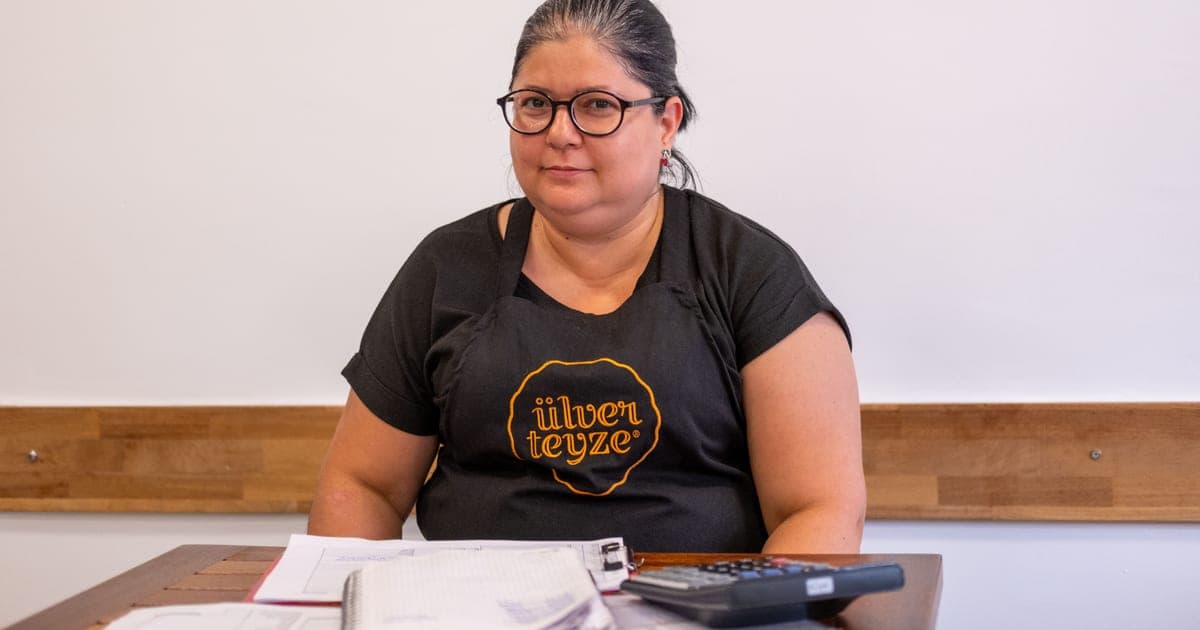
In the UK, nearly any full-time job pays £2,000 a month before tax as of November 2026, because the National Living Wage for workers aged 21 and over is £12.71 an hour. Taking home £2,000 after tax is harder. You need a salary of roughly £28,500 to £30,000 a year. Care work, warehouse work, customer service and admin reach that level with GCSEs or no formal qualifications. HGV driving, bookkeeping and IT support usually need a licence or a short certificate.
This page covers the tax maths, a table of jobs by qualification level, which of these jobs can be done from home, and what changes if you live outside the UK.
Quick answer
A full-time UK job at the National Living Wage (£12.71 an hour from April 2026) pays about £2,065 a month gross at 37.5 hours a week. To take home £2,000 a month, you need about £28,450 a year before pension, or nearer £29,750 with a 5% workplace pension (2026/27 rates, England, Wales and Northern Ireland). Care, warehouse, contact centre and admin jobs reach this with GCSEs or none.
Is £2,000 a month before or after tax?
You need to settle this first, because the two readings point to different jobs. A gross salary is pay before income tax, National Insurance and pension come out. Net pay, or take-home pay, is what lands in your bank account.
£2,000 a month gross is £24,000 a year. £2,000 a month net needs a gross salary of about £28,450 a year, roughly £2,370 a month, once tax and National Insurance are taken off.
How the take-home figure is worked out (2026/27)
These rates applied in the 2026/27 tax year, from 6 April 2026 to 5 April 2027, when we checked in November 2026:
- Income tax (England, Wales, Northern Ireland): the first £12,570 is tax-free (the Personal Allowance), then 20% up to £50,270 (GOV.UK income tax rates).
- Employee National Insurance: 0% up to £1,048 a month, then 8% up to £4,189 a month, for category A employees (GOV.UK National Insurance rates).
- Workplace pension: under automatic enrolment, the minimum is 5% from the employee and 3% from the employer, normally calculated on earnings between £6,240 and £50,270 a year (GOV.UK workplace pensions).
The table below is our worked calculation. It assumes a standard 1257L tax code, category A National Insurance, no student loan, and annual figures divided by 12. Payroll software rounds slightly differently each month, so treat the results as close estimates.
| Gross salary (a year) | Income tax | National Insurance | Take-home a year | Take-home a month |
|---|---|---|---|---|
| £24,000 | £2,286 | £914 | £20,800 | about £1,733 |
| £26,000 | £2,686 | £1,074 | £22,240 | about £1,853 |
| £28,450 | £3,176 | £1,270 | £24,004 | about £2,000 |
| £29,750 (with 5% pension) | £3,054 | £1,374 | £24,000 after £1,175 pension | about £2,000 |
Worked example, 2026/27 rates, England, Wales and Northern Ireland. The pension row assumes a net pay arrangement, where pension comes out before tax but not before National Insurance.
To sum up: a £24,000 salary leaves you with about £1,733 a month. Take-home of £2,000 needs about £28,450, or about £29,750 if you pay the minimum pension. A student loan (Plan 2 or similar) takes another slice, so check your payslip.
Does Scotland change the figure?
Scotland changes the figure only slightly at this pay level. Scottish taxpayers pay a 19% starter rate on income from £12,571 to £16,537 and 20% from £16,538 to £29,526 (GOV.UK Scottish Income Tax, 2026/27). On £24,000, that comes to about £40 a year less income tax than in England. The £28,450 target for £2,000 take-home stays almost the same.
Does a minimum wage job pay £2,000 a month?
Yes, if you're 21 or over and work about 36.3 hours a week or more. The National Living Wage for workers aged 21 and over is £12.71 an hour from 1 April 2026, and the government has announced it will rise to £13.21 on 1 April 2027 (GOV.UK National Minimum Wage rates).
The table below turns those hourly rates into monthly gross pay, using hours × 52 weeks ÷ 12.
| Age and rate (from April 2026) | 35 hours a week | 37.5 hours a week | 40 hours a week |
|---|---|---|---|
| 21 and over, £12.71 | £1,928 | £2,065 | £2,203 |
| 18 to 20, £10.85 | £1,646 | £1,763 | £1,881 |
| Under 18 or apprentice, £8.00 | £1,213 | £1,300 | £1,387 |
| 21 and over from April 2027, £13.21 | £2,004 | £2,147 | £2,290 |
Gross monthly pay before tax, calculated from GOV.UK rates checked November 2026.
Three things follow from this:
- Age matters more than qualifications at the bottom of the scale. Someone aged 18 to 20 on the minimum rate needs about 42.5 hours a week to reach £2,000 gross, which is only realistic in jobs with overtime.
- Hours matter as much as the hourly rate. A 35-hour contract at the National Living Wage falls just short of £2,000 gross until April 2027.
- £2,000 net at minimum wage means about 43 hours a week. £28,450 divided by £12.71 is about 2,238 hours a year. Warehouse, driving and care rotas sometimes reach this with overtime. Office jobs rarely do.
Some employers pay every four weeks rather than every calendar month. Four-weekly pay gives 13 pay days a year, so each payslip is a little smaller than a monthly one on the same salary.
What jobs pay £2,000 a month with no qualifications?
Care work, warehouse work, retail and contact centre roles pay £2,000 a month gross at full-time hours. Employers in these fields often hire without formal qualifications and train you on the job. The Office for National Statistics (ONS) runs the Annual Survey of Hours and Earnings (ASHE), the UK's main survey of pay by occupation. Its 2026 provisional results were published on 22 October 2026. The overall median for full-time employees who had been in their job for at least a year was £40,911 (ONS, Employee earnings in the UK: 2026).
The occupational medians below come from the same ASHE 2026 provisional data, as tabulated by Pocketwise. Each figure is median gross annual pay for full-time employees, with the closest matching occupation code.
Care worker
Care workers and home carers had a median of £28,738 in ASHE 2026, close to the take-home £2,000 line. The National Careers Service gives a narrower range of £20,000 for starters to £25,000 for experienced workers, at 35 to 45 hours a week, often on evening and weekend shifts (National Careers Service, care worker). Many employers train people who have the right personal qualities. Some ask for GCSE English and maths. You need to pass an enhanced background check (a Disclosure and Barring Service check in England and Wales). Care work is done in person.
Warehouse operative
Warehouse operatives had a median of £29,379 in ASHE 2026. Agencies and large distribution centres usually ask for no formal qualifications. A forklift licence can improve the pay and the shifts on offer. Night and weekend premiums help explain why the median is higher than the minimum wage. This job is done on site.
Retail and sales assistant
Sales and retail assistants had a median of £26,124 in ASHE 2026. That is above £2,000 gross a month but below the take-home target. Retail is the easiest of these jobs to enter with no qualifications. Many contracts are part-time, though, so check the contracted hours before you count on £2,000.
Customer service and contact centre agent
Call and contact centre workers had a median of £28,912 in ASHE 2026, and customer service occupations had a median of £28,761. The National Careers Service gives £20,000 for starters to £30,000 for experienced staff (National Careers Service, customer service assistant). Employers typically ask for some GCSEs including English and maths. A Foundation (Level 2) apprenticeship needs no specific qualifications if you're aged 16 to 21. This is the field on this list most likely to be home-based. Our customer service representative role guide covers the day-to-day work.
Jobs paying £2,000 a month that need GCSEs or a short course
Office jobs usually ask for GCSEs at grades 9 to 4 (A* to C) in English and maths, or an equivalent such as Functional Skills Level 2. Above that, a short vocational qualification often lifts pay well past £2,000 take-home.
Admin assistant, receptionist and data entry
The National Careers Service puts admin assistants at £21,000 to £28,000. Employers may look for GCSEs at grades 9 to 4 including English and maths, plus word processing and spreadsheet skills (National Careers Service, admin assistant). In ASHE 2026, other administrative occupations had a median of £29,803, data entry administrators £30,162 and receptionists £25,865. Temporary agency contracts are a common way in, and they often lead to permanent jobs.
Bookkeeper
Bookkeepers earn £24,000 to £35,000 according to the National Careers Service. Some employers ask for 5 GCSEs including maths and English. The usual training bodies are the Association of Accounting Technicians (AAT), the Institute of Certified Bookkeepers (ICB) and the Institute of Accountants and Bookkeepers (National Careers Service, bookkeeper). The ASHE 2026 median for book-keepers, payroll managers and wages clerks was £32,598. Bookkeeping is one of the most remote-friendly jobs on this page. The bookkeeper role guide explains the qualifications in more depth.
IT support technician
IT support technicians earn £24,000 to £36,000 according to the National Careers Service. The routes in are a Level 3 apprenticeship, a college course or T Level, or a degree. The profile names CompTIA A+ and Microsoft Learn as useful industry training (National Careers Service, IT support technician). First-line support is often hybrid. Fully remote helpdesk roles exist but usually want some experience first.
HGV driver
Large goods vehicle drivers had an ASHE 2026 median of £41,735, the highest on this page for a job without a degree. The National Careers Service range is £27,000 to £47,000 at 38 to 52 hours a week. You must be over 18 and hold a category C or C+E licence plus a Driver Certificate of Professional Competence (CPC). The CPC needs 35 hours of training every five years (National Careers Service, LGV driver). Skills Bootcamps can fund the licence if you already hold a full car licence.
Jobs that reach £2,000 a month, by qualification level
This table puts the figures above side by side. It shows each job's entry level, what the official careers profile gives as the pay range, and the ASHE 2026 median for full-time staff.
| Job | Usual entry level | NCS pay range (a year) | ASHE 2026 median | Remote? |
|---|---|---|---|---|
| Care worker | None, plus enhanced check | £20k to £25k | £28,738 | No |
| Warehouse operative | None | not checked | £29,379 | No |
| Retail assistant | None | not checked | £26,124 | No |
| Contact centre agent | Some GCSEs | £20k to £30k | £28,912 | Often |
| Admin assistant | GCSE English and maths | £21k to £28k | £29,803 | Sometimes |
| Data entry | GCSE English and maths | not checked | £30,162 | Sometimes |
| Bookkeeper | GCSEs plus AAT or ICB | £24k to £35k | £32,598 | Often |
| IT support | Level 3, CompTIA A+ or degree | £24k to £36k | not checked | Hybrid, sometimes |
| HGV driver | C/C+E licence, Driver CPC | £27k to £47k | £41,735 | No |
| Teaching assistant | Varies | not checked | £22,018 | No |
Sources: National Careers Service job profiles; ONS ASHE 2026 provisional via Pocketwise. Gross pay in pounds a year, UK, checked November 2026. "Not checked" means we didn't open that job's profile.
Teaching assistants are in the table as a warning. Their median of £22,018 falls below £24,000, partly because many are paid only for term time. A "full-time" school job can still come in under £2,000 a month.
Degree-level jobs clear the bar easily: the ASHE 2026 median for software developers was £59,863 and for nursing professionals £44,601. They also take years of study and, for nurses, professional registration. If you need £2,000 within months, the realistic routes are the jobs above that line.
Which qualifications give the best return for the time?
GCSE English and maths, or Functional Skills Level 2 in both, open the most doors on the list above. They're the standard requirement for office jobs and for most Intermediate and Advanced apprenticeships. After that, it depends on whether you want to work from home:
- For home-based work: the AAT Bookkeeping Foundation Certificate or an ICB qualification leads to bookkeeping, which is often remote.
- For the highest pay without a degree: an HGV licence and Driver CPC, if you're happy driving long shifts.
- For a route into tech: CompTIA A+ or a Level 3 digital apprenticeship, which leads to IT support.
Skip any course that promises a guaranteed job or charges for a "certificate" no employer names in its ads.
Which £2,000-a-month jobs can be done remotely?
Customer service, contact centre, bookkeeping, admin and data entry are the £2,000-a-month jobs you can most often do from home. Care, warehouse, retail and driving jobs can't be.
Remote roles in the UK usually pay at or slightly above the office version of the same job. The qualifications are the same, plus a few practical requirements:
- A quiet room and a headset for call work.
- A wired or reliable broadband connection. Contact centre employers often test this.
- Hours that match UK customers. Many remote contact centres run evening and weekend rotas.
Most UK remote job ads also say "UK only" or "must have the right to work in the UK". Remote here means remote within the UK. You can browse remote jobs open to UK residents and remote customer support jobs on RemoteApply. Every listing states where applicants may live, which saves you applying to jobs you can't take. For the wider question of finding remote work in the UK, see our guide on how to get a remote job in the UK. For how tax works on UK remote jobs, see whether taxes are different for remote jobs in the UK.
Can you earn £2,000 a month from a UK job if you live outside the UK?
Yes, but usually as a contractor rather than an employee. The pay maths in this article only applies to people on UK payroll. A UK employer that puts you on payroll must check your right to work in the UK, using documents or a Home Office share code (GOV.UK right to work checker). This is why most UK remote job ads exclude applicants abroad.
Some UK companies do pay people abroad in pounds. Here's how that usually works:
- Contractor arrangement: you invoice monthly, get paid by bank transfer, Wise, Payoneer or a platform like Deel, and handle your own tax in the country where you live. UK income tax and National Insurance aren't deducted, so the take-home table above doesn't apply.
- Employer of record: a company such as Deel, Remote.com or Oyster employs you locally on the UK company's behalf. Your country's payroll tax applies, not the UK's.
- Qualifications: employers abroad care far more about your English, your experience and proof of skills such as a portfolio, typing speed or a test result than about UK GCSEs. A UK bookkeeping or IT certificate still helps where it's recognised internationally.
Time zones decide a lot. UK office hours of 9am to 5pm London time (UTC+0 in winter, UTC+1 from 28 March 2027) fall at these local times in winter:
- Lagos (UTC+1): 10am to 6pm
- Johannesburg (UTC+2): 11am to 7pm
- Karachi (UTC+5): 2pm to 10pm
- Manila (UTC+8): 5pm to 1am
That's why African and European applicants find UK-hours roles easier to fit than people in Asia.
Whether £2,000 a month is a good income depends on where you live, and US or UK figures are benchmarks, not what every employer offers abroad. For the details, see remote jobs that pay in pounds for people outside the UK, UK remote jobs for foreigners and whether $2,000 a month is a good remote salary outside the US. Convert pounds using your bank's or Wise's live rate on the day, because the rate changes daily.
How to check whether a job ad really pays £2,000 a month
Job ads quote pay in different ways, and the headline figure is often not what reaches your account. Before you apply, run through these checks:
- Find the basis. Is the figure "per annum", "up to", "OTE" (on-target earnings, which include commission) or hourly? Only a guaranteed basic salary counts towards a reliable £2,000.
- Check the contracted hours. £12.71 an hour on a 30-hour contract is about £1,652 a month, however good the hourly rate looks.
- Turn it into monthly gross. Divide an annual salary by 12. For hourly pay, multiply by weekly hours, then by 52, then divide by 12.
- Estimate take-home. Use the table near the top of this page, or HMRC's tax calculator, and allow for your pension and any student loan.
- Look for shift premiums. Night, weekend and overtime rates explain why warehouse and care medians are well above the minimum wage. Ask whether they're guaranteed or depend on the rota.
- Watch for pay-to-apply ads. No legitimate employer charges for training, a starter kit or a "certificate" before hiring. Our guide to remote job scam red flags covers the common tricks.
The salary guides hub has role-by-role pay for remote positions if you want to compare offers.
Pay rates, tax bands and job profiles in this article were checked on GOV.UK, the ONS and the National Careers Service in November 2026.
Frequently asked questions
What salary do I need to take home £2,000 a month in the UK?
You need about £28,450 a year to take home £2,000 a month in 2026/27, assuming a standard tax code, no pension and no student loan. With the minimum 5% workplace pension, it rises to about £29,750. Scottish taxpayers need almost exactly the same figure at this pay level.
How many hours at minimum wage make £2,000 a month?
At £12.71 an hour, the National Living Wage from April 2026, you need about 36.3 hours a week to earn £2,000 gross a month. To take home £2,000 after tax and National Insurance, you'd need about 43 hours a week. From April 2027, at £13.21 an hour, a 35-hour week reaches £2,000 gross.
Is £24,000 a year £2,000 a month?
Yes, £24,000 a year is exactly £2,000 a month before tax. After income tax and National Insurance at 2026/27 rates, it comes to about £1,733 a month in England, Wales and Northern Ireland. Pension contributions reduce that a little further.
Can I get a £2,000-a-month job with no GCSEs?
Yes. Care work, warehouse work, retail and some contact centre roles hire without GCSEs and pay at least £2,000 a month gross at full-time hours for workers aged 21 and over. Getting GCSE English and maths, or Functional Skills Level 2, later opens office jobs and most apprenticeships.
Which job pays £2,000 a month from home with no experience?
Contact centre and customer service roles are the most common home-based jobs at this pay level that train beginners. The National Careers Service puts starter pay at about £20,000 a year, so check the advertised salary, because entry-level remote roles sometimes start below £2,000 a month gross.
Do part-time jobs pay £2,000 a month?
Rarely, unless the hourly rate is high. At the National Living Wage, a 25-hour week pays about £1,377 a month gross. To reach £2,000 in 25 hours, you'd need about £18.46 an hour, which usually means skilled freelance or specialist work.
Does £2,000 a month mean the same thing for someone outside the UK?
No. UK income tax and National Insurance apply only to people taxed in the UK. A contractor abroad paid £2,000 a month by a UK company pays tax under their own country's rules, and also pays transfer and conversion fees.
Key takeaways
- £2,000 a month gross is £24,000 a year. A full-time National Living Wage job at 37.5 hours pays about £2,065 a month from April 2026.
- Taking home £2,000 a month needs a salary of about £28,450, or about £29,750 with the minimum 5% pension (2026/27, England, Wales and Northern Ireland).
- Care, warehouse and contact centre jobs reach that level with few or no formal qualifications. Admin and data entry usually ask for GCSE English and maths.
- An HGV licence with Driver CPC, an AAT or ICB bookkeeping qualification, or CompTIA A+ are the short routes to pay well above £2,000.
- Customer service, bookkeeping and admin are the jobs at this pay level you can most often do from home, usually only from within the UK.
Next steps
Pick the qualification tier that matches where you are now, then look at live ads to see what employers ask for. Browse the RemoteApply jobs board, filter by field and by where you live, and save a search as an email alert so new £2,000-plus roles come to you.
Sources
- National Minimum Wage and National Living Wage rates, GOV.UK
- Income Tax rates and Personal Allowances, GOV.UK
- Scottish Income Tax, GOV.UK
- National Insurance rates and category letters, GOV.UK
- Workplace pensions: what you, your employer and the government pay, GOV.UK
- Check if someone can work in the UK, GOV.UK
- Employee earnings in the UK: 2026, Office for National Statistics
- Average Salary by Job in the UK 2026: Full ONS Table, Pocketwise
- Customer service assistant, National Careers Service
- Admin assistant, National Careers Service
- Bookkeeper, National Careers Service
- Care worker, National Careers Service
- IT support technician, National Careers Service
- Large goods vehicle driver, National Careers Service
- Jobs paying £2,000/month after tax in London, UK Tax Calculators
- Jobs with average salaries above £2,000, UK Tax Calculators


